


A jungle safari needs proper packing more than a regular sightseeing trip. You may spend hours outside on bumpy roads, with the weather changing during the day.
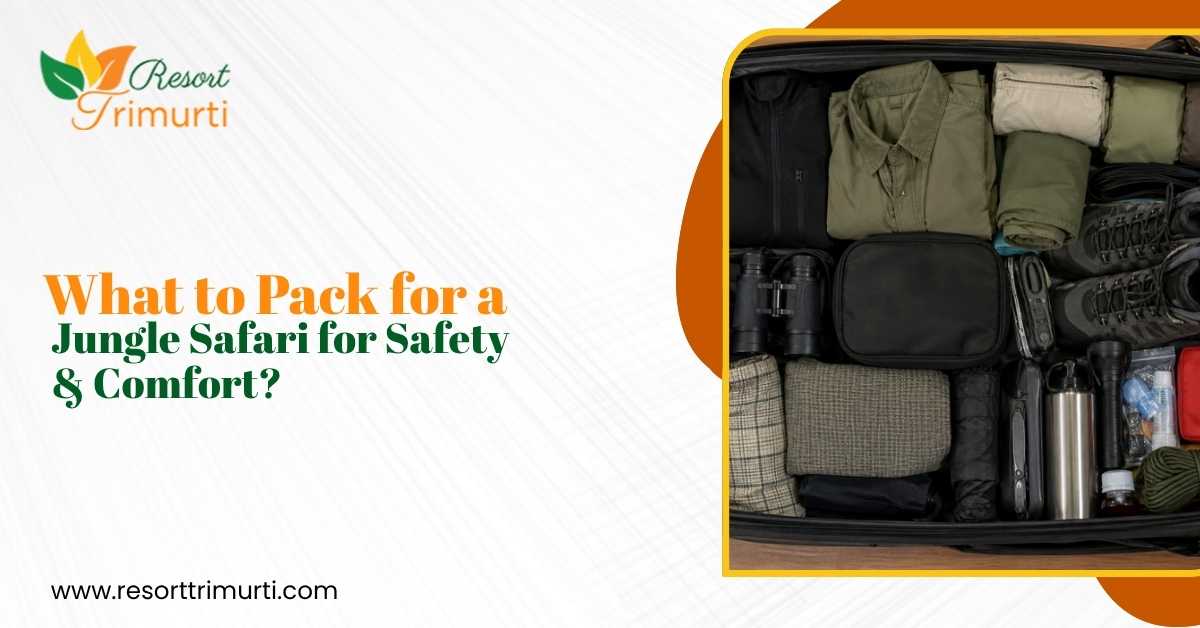
Carry light, breathable clothes, closed shoes, a hat, sunglasses, sunscreen, insect repellent, water, and your regular medicines. Binoculars, your phone or camera, and a small bag are also handy.
If you are staying at the best jungle resort in Dooars, check the weather before leaving and carry a raincoat if rain is expected. Keep your ID and safari booking papers with you.
You do not need to keep everything for the safari. Just carry the things you are likely to need and keep the rest at your stay.
Why Is Packing Important for a Jungle Safari?
Packing for a Dooars jungle safari needs more thought than packing for regular sightseeing. You may be outside for hours, sitting in an open vehicle and travelling over rough forest roads.
Keep these things in mind:
● Sun: You may need sunscreen, sunglasses, and a hat.
● Dust: Forest roads can get dusty, especially during a dry day.
● Weather:Mornings can be cool, while the afternoon may feel warm.
● Insects: Insect repellent and covered clothes can help.
● Rain:Carry a light raincoat if rain is likely.
● Bumpy roads: Wear clothes and shoes that you can sit and travel in comfortably.
● Limited facilities:Carry enough water, medicines, and other personal items.
● Small vehicle space: Take a small bag instead of carrying your main luggage.
Keep your bag light and carry only a few essential items you may need during the safari. Leave the rest at your stay.
What Should You Pack for a Jungle Safari?
You do not need to carry a large bag for a jungle safari. A small day bag with a few useful items is enough for most trips. What you need can also change with the season, safari duration, and whether you will only travel by vehicle or also spend time walking.
Clothes for Comfort
Choose clothes that are comfortable for sitting for several hours and suitable for the weather.
● Cotton or lightweight clothes
● Comfortable trousers
● Full-sleeved shirts
● Light jacket or fleece for cool mornings
● A change of clothes if needed
● Scarf for dust or cooler weather
Khaki, beige, olive, bro,wn and grey are practical choices for an outdoor setting. There is no need to buy special safari clothes. Avoid anything too tight or uncomfortable.
Comfortable Footwear
Closed footwear is a safer choice for most safari trips, especially if some walking is involved.
● Walking shoes
● Sports shoes
● Closed-toe shoes
● Shoes with a good grip
Avoid high heels, loose slippers, and new shoes that you have not worn before. If your safari is completely vehicle-based, you do not need heavy trekking footwear.
Sun Protection
Spending several hours outdoors means you should keep basic sun protection with you.
● Hat or cap
● Sunglasses
● Sunscreen
● Lip balm
● Light scarf
Apply sunscreen before leaving and keep it in your bag if you will be outside for several hours.
Insect Protection
Mosquitoes and other insects can be common around forest areas, so insect protection is worth carrying.
● Insect repellent
● Full-length trousers
● Full-sleeved shirt
● Covered footwear
Use a repellent that you already know works well for you rather than trying a new product on the day of the safari.
Drinking Water and Snacks
Carry a reusable water bottle, particularly if the safari will last several hours. You may not have easy access to shops along the route.
A small snack can also be useful for longer trips or when travelling with children, but check the local safari rules before carrying or eating food. Never feed animals or leave food waste in the forest.
Personal Medicines and Basic First Aid
Keep the medicines you regularly need in your day bag rather than leaving them with your main luggage.
You can also carry:
● Basic first-aid supplies
● Band-aids
● Personal medicines
● Tissues or wet wipes
● Hand sanitiser
● Any other personal care items you may need
If you take prescription medicine, keep it with you and carry it in its usual packaging.
Rain Protection
Weather can change during the day, especially during the monsoon. If rain is expected, carry:
● Lightweight raincoat or poncho
● Waterproof phone cover
● Small bag cover
● Extra clothes
A raincoat is usually easier to manage than an umbrella when you are travelling in a safari vehicle.
Camera, Phone and Binoculars
You do not need expensive equipment to enjoy a safari. Your phone can be enough for photographs, while binoculars can help you watch birds and animals from a safe distance.
Consider carrying:
● Fully charged phone
● Camera, if needed
● Binoculars
● Power bank
● Extra memory card or battery, if required
Keep your devices secure, especially on bumpy roads.
Identification and Booking Documents
Keep the documents required for your safari easily accessible. Depending on the booking, these may include:
● Identification document
● Safari booking confirmation
● Permit or entry details, where applicable
● Other documents requested by the safari operator
It is better to keep these in a small waterproof pouch rather than buried inside your main luggage.
Small Day Bag
A small backpack is usually enough to carry your safari essentials. Choose one that is easy to handle and can be closed securely.
You can keep your water bottle, medicines, sunscreen, phone, documents, insect repellent, and other small items inside it.
There is no need to bring your full travel luggage into the safari vehicle. Keep larger bags and unnecessary belongings at your stay.
What Should You Avoid Carrying?
Some things are simply not useful during a safari and can take up valuable space.
● Heavy luggage
● Expensive jewellery
● Unnecessary electronics
● High heels
● Loose footwear
● Strongly scented products
● Too many clothes or accessories
Keep the bag light enough to manage comfortably, especially if the vehicle has limited space.
How to Pack for a Jungle Safari Without Overpacking
For a Dooars jungle safari, you do not need to carry a large bag. Take the things you are most likely to need during the ride and leave the rest at your stay.
Must-Have
Keep these with you:
● Water
● ID and permit, if required
● Regular medicines
● Phone
● Sunscreen
● Hat or cap
● Insect repellent
Useful
These can be helpful depending on the weather and your plans:
● Binoculars
● Camera
● Rain protection
● Light jacket or extra layer
Optional
Carry these only if you have enough space or really need them:
● Extra photography equipment
● Snacks, where permitted
● Small comfort items
Keeping your bag small makes it easier to manage inside the safari vehicle. Large luggage and things you will not need can stay at your accommodation.
FAQs
What should I pack for a jungle safari?
Carry comfortable clothes, closed shoes, water, sunscreen, insect repellent, medicines, a hat, phone, and ID documents.
Why can't I wear white on safari?
White gets dirty quickly from dust and mud. Neutral colours like beige, khaki and olive are easier to manage.
What are the most important jungle safari essentials?
Water, sunscreen, insect repellent, comfortable shoes, medicines, sun protection, and ID documents.
What medicines should I carry for a jungle safari?
Carry your regular medicines and basic first-aid items. If needed, take your usual motion sickness medicine.
What should children wear on a jungle safari?
Dress children in comfortable clothes, full-length trousers and closed shoes. Carry a hat, water and an extra set of clothes.
Also Read: Jungle Resorts in Dooars with the Best Local Experiences: From Tribal Culture to Forest Trails
Conclusion
Packing for a jungle safari does not have to be complicated. Comfortable clothes, closed shoes, water, sunscreen, insect repellent, medicines and important documents cover most of the basics.
Keep your safari bag small and take only a few things you may need during the ride. Check the weather before leaving and add a jacket or rain protection if required.
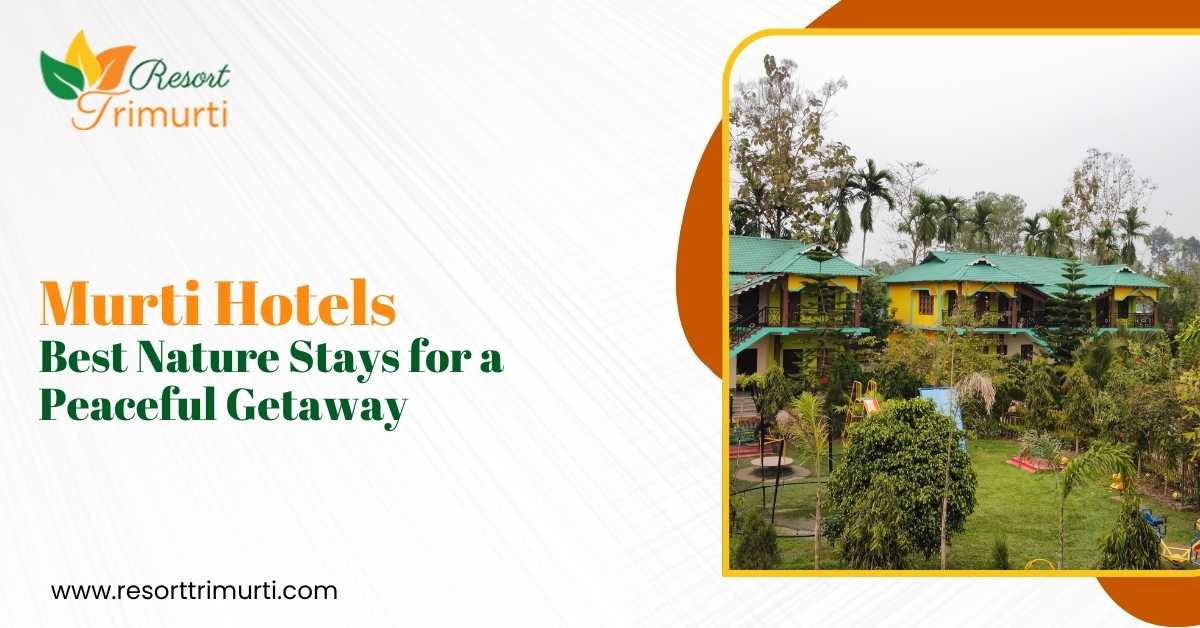
For a comfortable stay during your trip, Resort Trimurti is one of the best jungle resorts in Dooars, giving you a convenient base for enjoying the area and planning your safari.